 Skip to content
Choosing the right concrete coating for your floors can be overwhelming with all the available options including epoxy, polyaspartic, and polyurea. These terms may sound like something from a high school chemistry class, but they’re actually critical when it comes to selecting the best coating for your concrete surfaces.
The floor coating industry has evolved, providing a variety of options for both residential and commercial concrete floors.
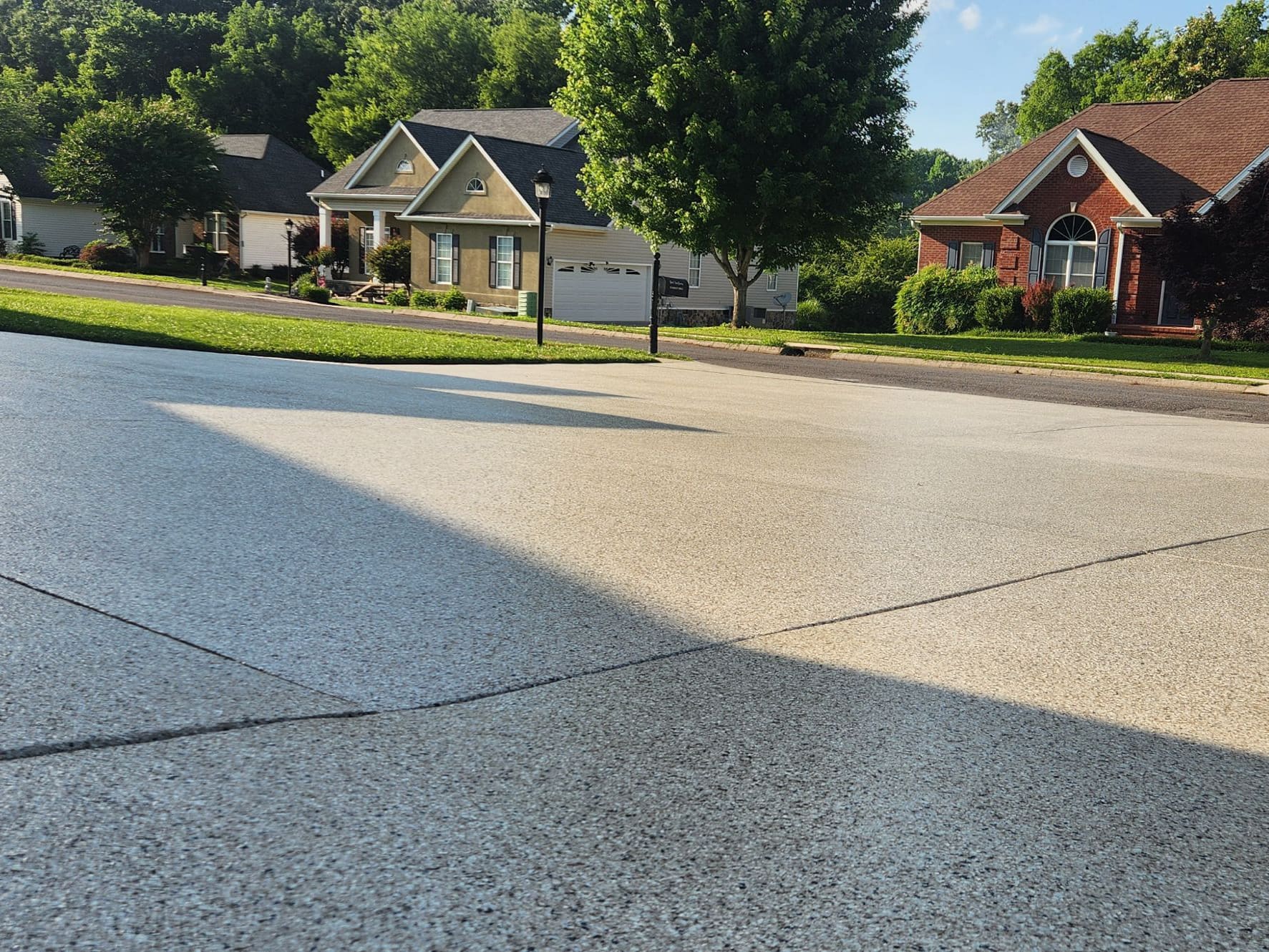
Polyaspartic coatings are a top choice for enhancing the durability, aesthetics, and longevity of concrete surfaces such as garage floors, pool decks, driveways, and more.
This article compares polyaspartic coatings with traditional epoxy coatings to help you make the best decision for your flooring needs.
What Are Polyaspartic Concrete Coatings?
Polyaspartic coatings are a type of floor coating applied to existing concrete surfaces, offering superior durability and flexibility compared to traditional epoxy options. As a subset of polyurea coatings, they are known for their high performance and long-lasting results.
Polyaspartic coatings create a glossy finish that not only enhances the appearance of your concrete while also improving its resilience.
Polyaspartic Coatings: The Four-Layered Coating
Polyaspartic coatings are usually applied using a four-layer process:
Concrete Surface Preparation: This process creates a clean, smooth base for the coating to adhere to, creating a strong bond.
Basecoat or Primer: The basecoat promotes strong adhesion between the top layers and the concrete surface.
Flake Color Coat (Optional): Flakes enhance color, texture, and slip resistance, ideal for both aesthetics and safety.
Clear Polyaspartic Topcoat: The final topcoat provides a durable, high-gloss finish that resists UV damage and offers long-lasting protection.
What Are Epoxy Concrete Coatings?
Epoxy coatings are created by combining a resin and a hardener, triggering a chemical reaction that bonds the mixture to the concrete and forms a solid, durable layer much like polyaspartic coatings.
However, epoxy coatings are more rigid and less flexible, which can affect their long-term performance, especially in areas with high foot traffic or where impact resistance is important.
Polyaspartic Vs. Epoxy
Now that you understand they are made of different compounds, it is easier to see why polyaspartic and epoxy coatings have key differences. Let’s take a deeper look at what differentiates them.
Adhesion and Durability: Polyaspartic coatings adhere and bond to the concrete, which is crucial for their durability. In contrast, epoxy coatings sit on top of the concrete like paint, rather than forming a true bond with the surface.
Because epoxy coatings sit on top of the concrete, they may peel or show signs of wear. In contrast, polyaspartic coatings are truly bonded to the concrete, they cannot peel. Flakes will not break free, thus virtually eliminating signs of wear and tear.
UV Resistance: Unlike epoxy coatings, which can yellow over time, polyaspartic coatings resist fading and discoloration from sun exposure. This isn’t a problem if the flooring is inside, but if it is a pool deck or driveway, then the color will not withstand the sun’s UV rays. Polyaspartic coatings maintain the same brilliance and beauty throughout their lifetime.
Curing Time: Polyaspartic coatings cure quickly, making them perfect for fast renovations. Planning a big pool party this weekend? Polyaspartic coatings are the way to go to refurbish your tired pool deck.
They cure five times faster than epoxy, which can take days to fully harden. You can have your pool deck redone with polyaspartic coating and walk on it within a day. Now that’s convenient!
Flexibility and Impact Resistance: Polyaspartic coatings are more flexible, making them more durable than epoxy coatings. This flexibility helps prevent cracking, chipping, and peeling, ensuring a longer-lasting finish.
Flexibility also helps with impact resistance. As the coating has flexibility, it will “give” (although you can’t see it), which helps prevent dings and chips caused by dropped objects.
Should I Ever Choose Epoxy Over Polyaspartic Coatings?
Polyaspartic coatings outperform traditional epoxy coatings in key areas including adhesion, UV resistance, fast curing time, and flexibility.
Polyaspartic coatings are perfect for both residential and commercial applications, offering durability and lasting beauty that withstands wear and tear. Whether you’re revamping your pool deck, garage floor, or commercial space, polyaspartic coatings provide the performance and aesthetic appeal you’re looking for.
If you’re located in the Chattanooga, TN area, Elite Floor Solutions can help transform your concrete floors with our high-quality polyaspartic coatings. Contact us today for a free consultation and discover how our premium coatings can enhance your space with a durable, professional finish.
